Standard Drilling
Specify the material, bit and required hole diameter. Check the model’s capacity for that material, not just its chuck size.
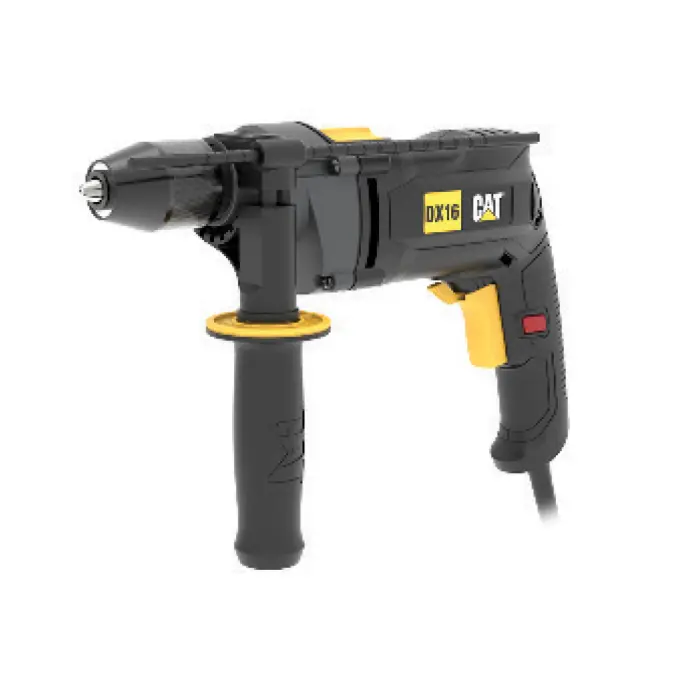
Electric and impact drills from APT, KEYANG, and CAT with different operating modes and capacities for workshop, maintenance, and construction drilling.
Actual options organized by brand and each model’s verified specifications.
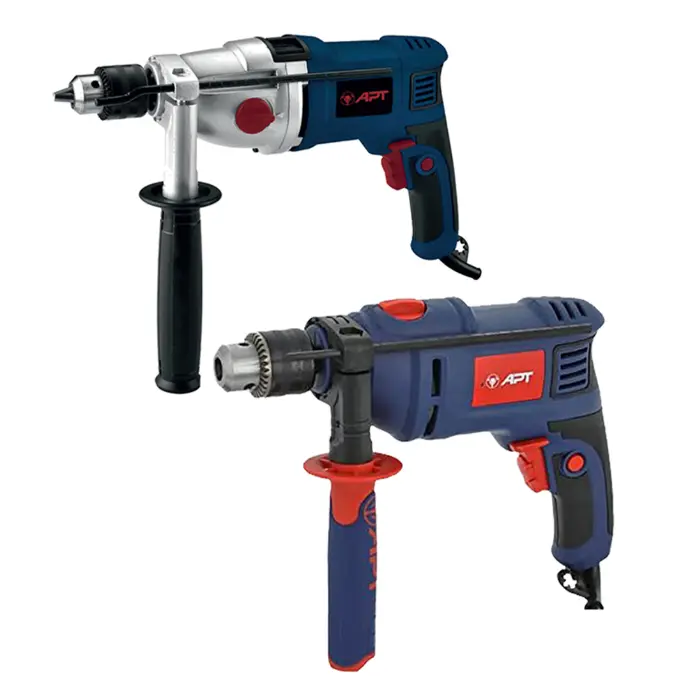
Two modes: drilling and hammer drilling
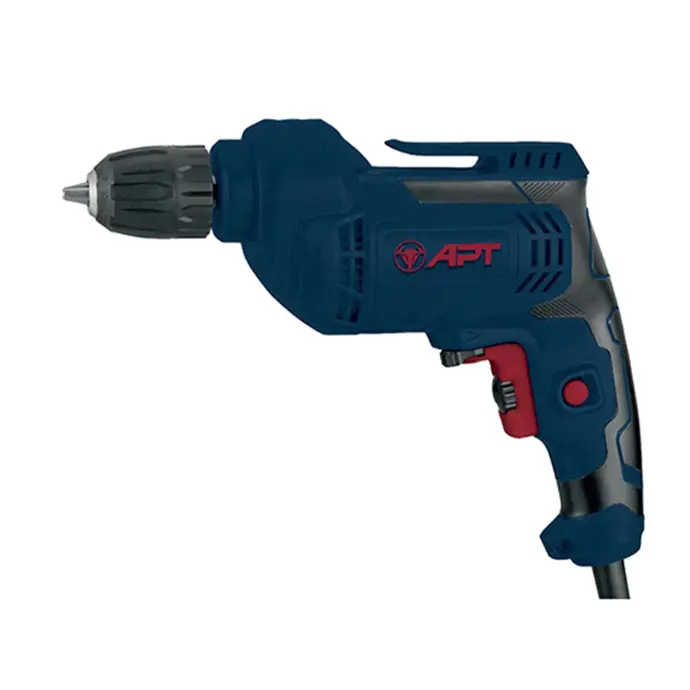
Keyless chuck — 10mm
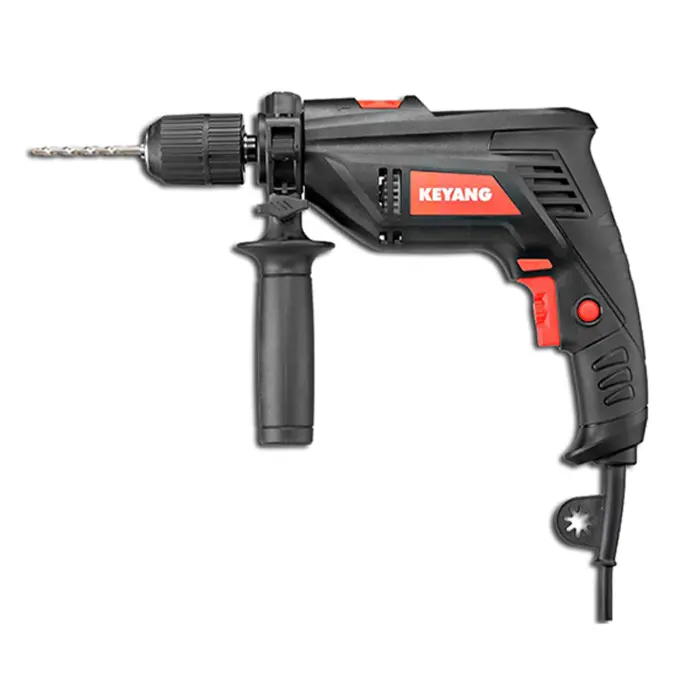
Keyless chuck and side handle
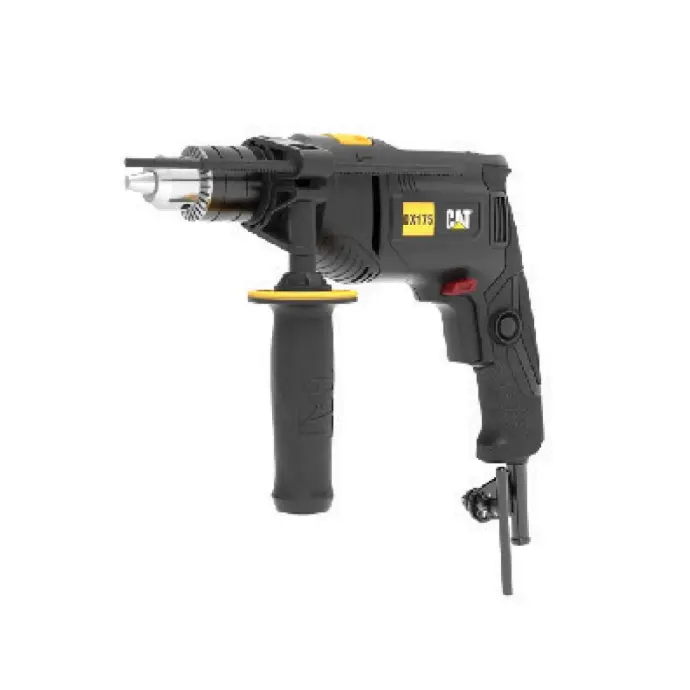
600W — 13mm
First define the surface material, hole diameter, and drilling depth, then choose between standard and impact drilling. Chuck capacity and wattage alone are not enough; also consider hole count, operating duration, and drill-bit type. For concrete or heavier work, a rotary hammer may be more suitable than an impact drill.
For workshop, maintenance and project drilling, start with material, hole diameter and depth, and expected usage. These details help determine the drilling mode and bit-holding system, avoiding comparisons based on wattage alone or a generic drill name for different tasks.
Specify the material, bit and required hole diameter. Check the model’s capacity for that material, not just its chuck size.
Describe the surface and frequency of drilling, then confirm the operating mode and bit suitability using the model instructions.
Compare the requirement with rotary hammers when the bit system or scale of work differs; an impact drill is not a substitute for every rotary hammer.
State mains availability, operating duration and battery and charger requirements when comparing corded and cordless drills.
Compare chuck type and range, drilling modes, operating controls, power supply and required accessories. Displayed model sizes do not mean that every drill can produce the same hole diameter in every material. For replacement procurement, share the existing rating plate and hole requirements. When equipping a team, separate the needs by task rather than choosing one machine for every application.
No. Chuck size describes the bit-shank holding range, while drilling capacity depends on material and model. Check manufacturer data before approving the required hole diameter.
When the bit system or concrete application is beyond the proposed drill’s intended use. Provide diameter, depth, material and workload to assess a suitable option rather than relying on wattage alone.
Yes. List drill type and machine quantities, then bit type, size, intended material and quantity per item. The sales team reviews compatibility and availability before confirming supply.
Send the surface material, hole diameter and depth, drilling type, power supply, machine quantity, required bits or accessories, and delivery location.
Request a Quote