Rotary and Demolition Hammers for Construction Work
Explore rotary hammers for hammer drilling and dedicated demolition hammers from APT, KEYANG and CAT. Compare the listed options, understand accessory compatibility and prepare a clear supply enquiry for your project.
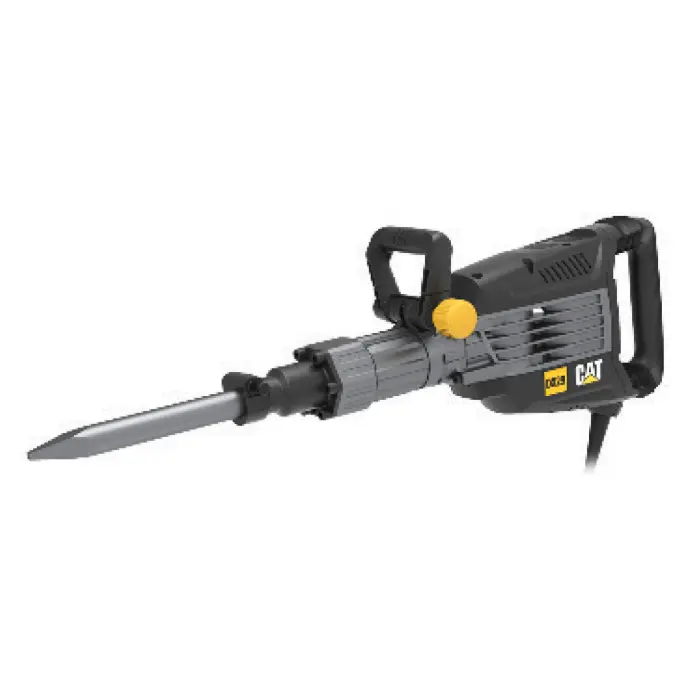
Choose a rotary hammer when the job involves hammer drilling into concrete, with the required hole size and bit system guiding the selection. For breaking and material removal, look at dedicated demolition hammers instead. HAM lists drilling options from APT and KEYANG alongside CAT demolition hammers, giving procurement teams a starting point for specifying equipment for different site tasks.
Available Rotary and Demolition Hammer Options
The listed tools cover different drilling requirements and demolition weight classes:
- APT SDS Plus Rotary Hammer: A hammer-drilling option with a listed 26 mm drilling capacity and an SDS Plus tool-holding system.
- KEYANG Hammer Drill: A listed 28 mm drilling capacity and three operating modes. The intended application should be matched to the actual modes and compatible accessories of the selected model.
- CAT Demolition Hammer: A dedicated breaking option listed at 1100 W and 5 kg.
- CAT Heavy Demolition Hammer: A heavier demolition option listed at 1750 W and 15 kg.
These figures describe the individual options shown, rather than specifications shared by every model in the category.
Match the Hammer to the Work
For hammer drilling, start with the material, hole diameter, drilling depth and number of holes. Compare these requirements with the selected tool's drilling capacity, operating modes and bit-holding system. Where chiselling is also required, confirm that the specific model supports the intended operation; a rotary hammer does not automatically replace a dedicated demolition hammer.
For demolition and removal, define the material, work volume and working position. Consider power, machine weight and handling together rather than treating wattage as the only selection criterion. A heavier hammer is not necessarily the better choice for prolonged handling or work above shoulder height.
For teams carrying out both tasks, prepare separate quantities for drilling and demolition equipment. Include the expected daily operating period and available electrical supply so that each requirement can be assessed individually.
Check Bit and Chisel Compatibility
Accessory fit is an important part of equipment selection. The listed APT rotary hammer uses SDS Plus, but each bit or chisel must still match the requirements of the specific tool. Similar dimensions or a shared brand name do not establish compatibility.
When replacing an existing machine, provide its model number, a photograph of the rating plate and an image of the accessory shank. These details help identify the required connection and assess the accessories included in the supply enquiry.
What to Include in Your Supply Enquiry
A clear enquiry makes it easier to identify the appropriate equipment and requested quantities. Include:
- Work requirements: Hammer drilling or demolition, material type, hole diameter and depth, or the extent of removal work.
- Operating requirements: Number of machines by task, expected operating duration, available electrical supply and working position.
- Accessories and delivery: Required bits or chisels, sizes and quantities, existing equipment details where relevant, and delivery location.
The selected models and accessories can then be reviewed for suitability and compatibility as part of preparing the supply quotation.
Related Power Tool Categories
For general drilling applications, explore Electric and Impact Drills. If battery-powered equipment is part of your site's requirements, browse Cordless Power Tools to compare the relevant tool category.